
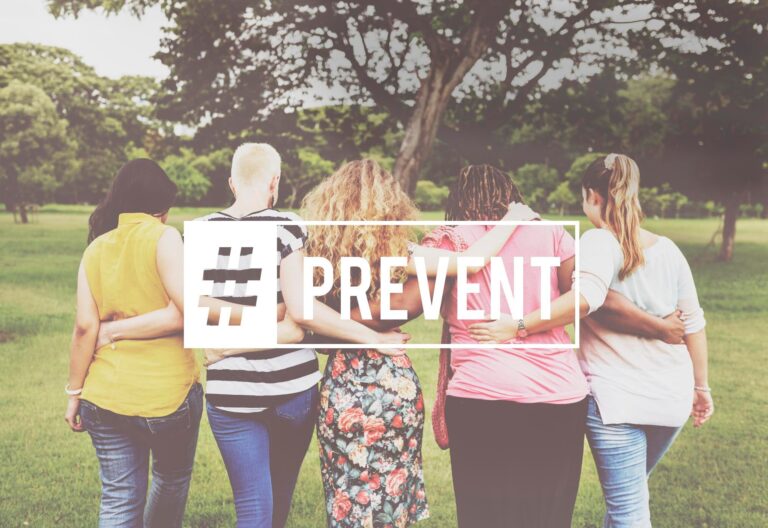
There was a time, not so long ago, when gathering was simply what humans did. We came together in living rooms and church basements, around kitchen tables and in town squares. Not because we were trying to build community. Because that was how life happened.
Somewhere along the way that changed.
David Bohm, a physicist and philosopher, recognized the problem three decades ago. He saw that something essential was slipping away, that people were losing the capacity for genuine dialogue. He created conversation circles because he understood that we needed intentional spaces to learn how to talk to each other again. That was thirty years ago.
Then social media arrived and accelerated the drift. We began to gather online instead of in person. We performed for audiences instead of connecting with individuals. And then the pandemic came and locked us inside our homes, and for some people, that door never fully opened again.
The research is clear about what we lost. Studies show that community cohesion, that sense of belonging to a place and a people, is directly linked to lower rates of depression, reduced suicidal ideation, and stronger relationships that last for years. When people feel seen and valued and safe in their communities, their nervous systems settle. Their mental health improves. They become more resilient.
Rituals matter too. The simple, repeated act of gathering, of showing up in the same place with the same people, creates something that online connection cannot replicate. Psychologists have found that the loss of these rituals, accelerated by the pandemic, has left people feeling unmoored. Rituals create structure. They create belonging. They remind us that we matter.
When we do try to gather now, something feels different. There is real hunger when people come together in person. I have seen it. That closeness, that sense of being known. But underneath it there is often fear. Division. A learned wariness about holding space for perspectives different from our own. We have forgotten how to disagree without it feeling like a threat. We have lost the skill of truly listening to each other.
Social media promised to bridge the gap. And in some ways it did. During isolation, people used it to check in, to feel less alone. But research shows the effect is limited. Passive scrolling increases loneliness. Active engagement helps, but it is not the same as being in a room with someone. There is something about physical presence, about being truly seen by another person, that technology cannot replace.
The younger generations especially have not been shown what this looks like. They have grown up in a world where gathering is optional, where community is curated rather than inherited, where showing up in person feels risky in a way it never used to. They are hungrier for belonging than any generation before, and they have fewer maps for how to find it.
There is value in gathering. Real, measurable, life-changing value. When you belong to a community that sees you and values you and welcomes your return, something shifts. Your nervous system recognizes safety. Your brain produces different chemicals. You become more yourself, not less.
The question is not whether gathering matters. The research answers that decisively. The question is whether you can find a place where it actually feels safe to show up.
Those spaces exist. They are small and intentional. They are built by people who understand that gathering is not a luxury or a nice to have. It is as essential to human health as sleep and movement and nourishment.
If you have not found yours yet, keep looking.
You were not built for scrolling. You were built for this.
